Search “pay as you go insurance” and you’ll find two completely different products wearing the same name. For some drivers it means paying by the mile — a bill that rises and falls with how much you actually drive. For others it means the payment structure: coverage you start with a small amount down and pay month to month, rather than a large lump sum up front. Sorting out which one you’re after is the whole game, because the right fit depends entirely on which problem you’re trying to solve.
Meaning One: Paying by the Mile
The first version ties your premium to distance. You pay a small base rate plus a few cents for every mile driven, tracked by a device or an app. This is the pay-per-mile car insurance model, and it rewards a specific kind of driver: someone who genuinely doesn’t drive much.
The math only works in your favor below a certain mileage. A remote worker, a household’s rarely-used second car, or a retiree running short local errands can come out ahead, because they’re not subsidizing the risk of high-mileage drivers. But if you commute across the OKC metro daily or rack up highway miles, a per-mile bill can quietly cost more than a flat policy. The concept is about matching price to distance — nothing about how much you put down at the start.
Meaning Two: Paying Month to Month Without a Big Deposit
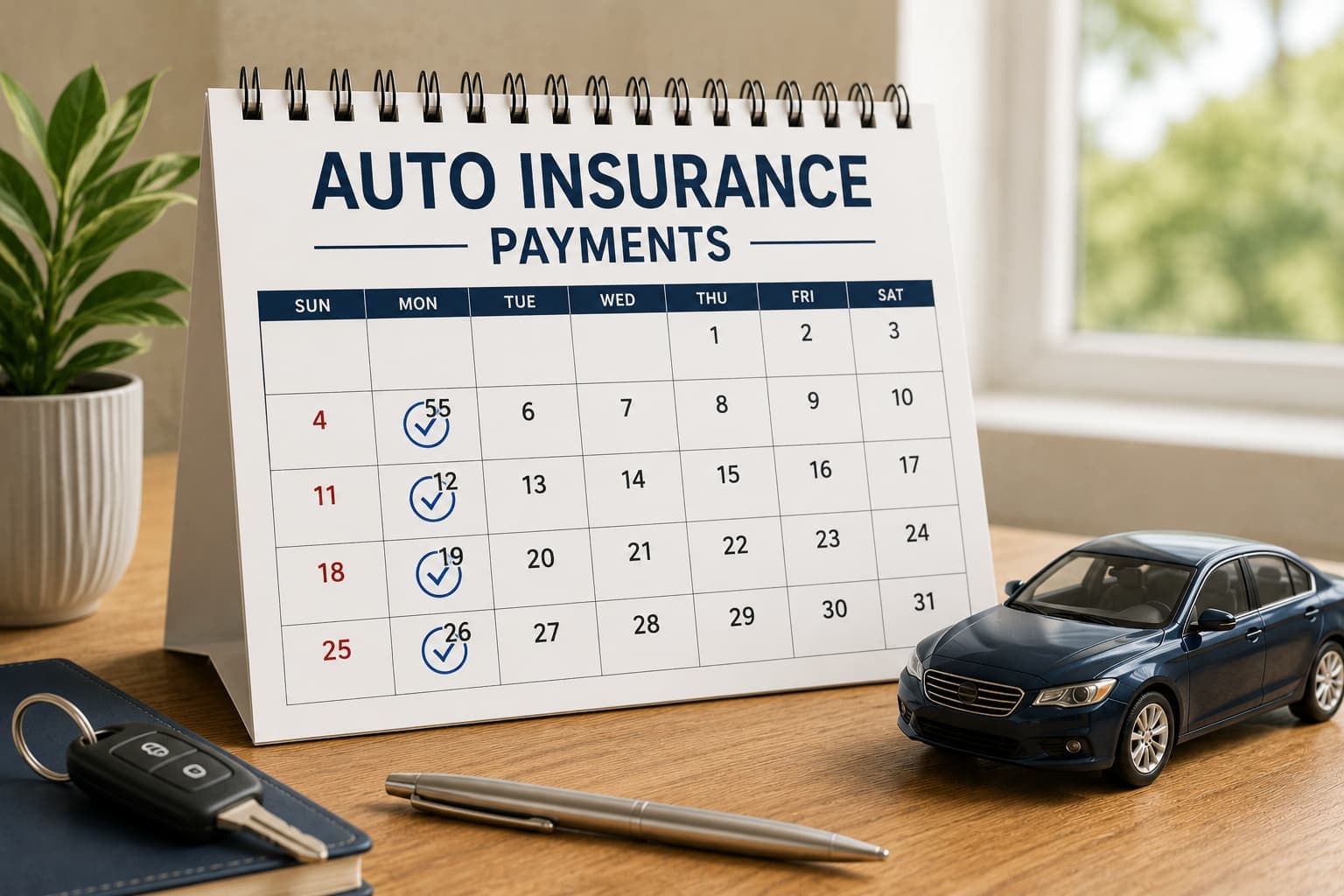
The second version is what most budget-focused Oklahoma drivers actually have in mind. Here “pay as you go” means the billing rhythm: you get covered now with a manageable first payment and continue paying monthly, instead of handing over six months of premium at once. The price isn’t tied to your mileage at all — it’s a standard policy structured so the cost is spread out.
This matters most when the barrier to getting insured isn’t the annual price but the upfront cash. A driver who needs a valid policy today, but can’t put several hundred dollars down to start, is really looking for a low initial payment and predictable monthly billing. That’s a payment-structure question, and it’s a very different need from per-mile pricing even though the search term is the same.
How to Tell Which One You Actually Need
The quickest way to sort yourself is to ask what’s driving the search. If your issue is that you barely drive and resent paying a full premium for a car that mostly sits, you’re in per-mile territory, and the trade-off to weigh is mileage tracking against your actual annual distance. If your issue is that you need coverage but can’t front a large lump sum, you don’t need mileage tracking at all — you need a policy with a low amount down and monthly payments.
Confusing the two leads to the wrong choice. A high-mileage driver drawn in by “pay as you go” pricing can end up paying more per mile than a flat policy would cost, while a low-cash driver doesn’t need a per-mile product at all when a low-down-payment monthly policy solves the real problem.
What This Looks Like With Cheapest Auto Insurance
For the payment-structure meaning, the practical path in Oklahoma is a standard policy you can start with a low first month and carry monthly. Our anonymous quote shows a real price in about 60 seconds with no phone call and no credit check, so you can see the down payment and monthly figure before committing — the numbers that actually matter when spreading out the cost is the goal.
Whichever meaning fits, Oklahoma’s coverage floor is the same. Every policy still has to meet the state liability minimum of 25/50/25 — $25,000 per person and $50,000 per accident for bodily injury, plus $25,000 for property damage, per the Oklahoma Insurance Department. “Pay as you go” changes how you pay, not what the state requires you to carry.
Frequently Asked Questions
Does “pay as you go insurance” mean paying by the mile or paying monthly?
It’s used both ways. Sometimes it means pay-per-mile pricing tied to how far you drive; more often, drivers mean a policy started with a low amount down and paid month to month. They solve different problems, so it’s worth knowing which you need.
Is pay-as-you-go car insurance cheaper in Oklahoma?
It depends on the meaning. Per-mile pricing is only cheaper if you drive few miles; for higher-mileage drivers it can cost more. Low-down-payment monthly billing doesn’t lower the total price — it spreads the same cost over smaller payments.
Do I need to track my mileage to pay monthly?
No. Mileage tracking only applies to per-mile pricing. A standard monthly-billed policy doesn’t require any tracking device or app — you’re simply paying a normal premium in monthly installments.